With the Tokyo Olympics finally taking place the world’s spotlight this summer will be on the Land of the Rising Sun and all it has to offer. But did you know there’s no need to go any further than Dorset to experience the real taste of Japan because The Wasabi Company has spent over a decade perfecting the growing of that quintessential Japanese ingredient – fresh, sinus burning, eye watering wasabi!
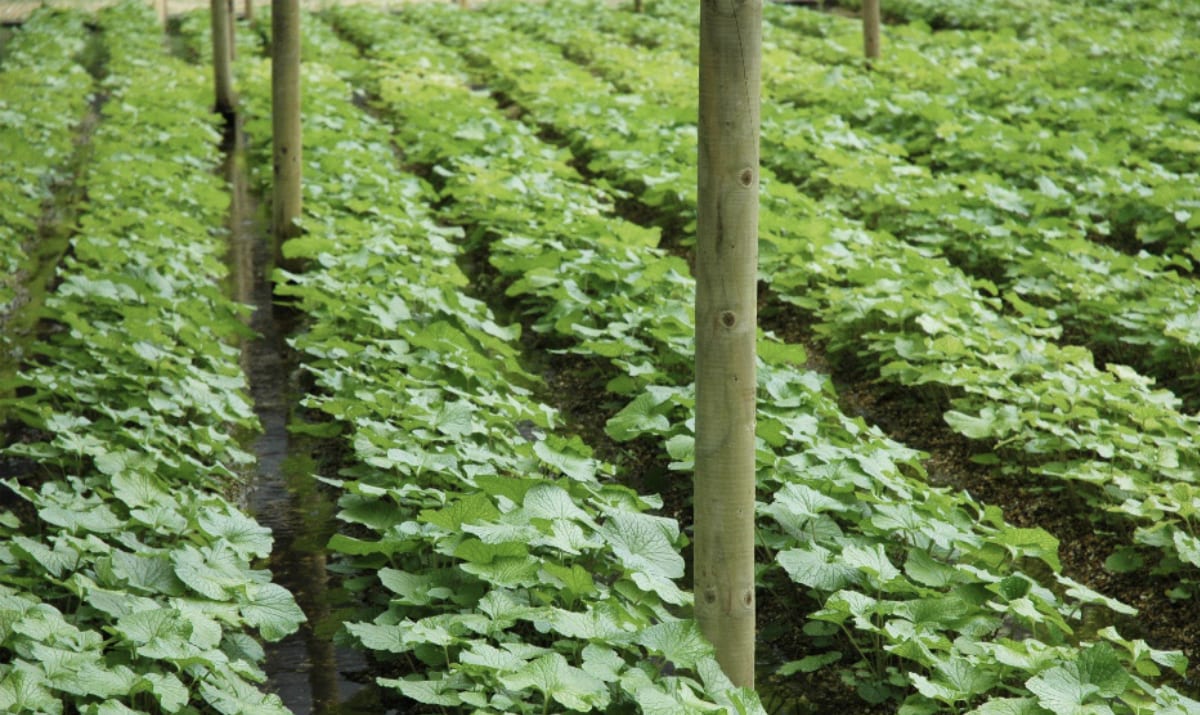
This pioneering family business spotted the opportunity to be the UK’s first grower of wasabi back in 2010 thanks to a passing comment from a chef visiting their sister company, The Watercress Company. Looking at the watercress growing in the specially built gravel beds with spring water flowing through them, the chef observed that the only other plant he had seen growing in a similar way was wasabi in the mountain streams of Japan. That got Jon Old and his team thinking, and with the gauntlet well and truly thrown down, they started out on a journey of discovery that continues to this day.
Making use of some disused Victorian watercress beds, they have spent a decade planting and growing the temperamental plants which take over two years to mature and when the precious rhizome (actually the swollen stem) that yields up the fabulous green paste, can finally be harvested.
It’s fair to say that most people in the UK won’t have tried real wasabi. The sachets of green paste sold with packs of supermarket sushi are in fact horseradish with green colouring; it’s usually only in high end Japanese restaurants where the rhizome is grated in front of the customer that real wasabi is served.
The Wasabi Company cultivates tens of thousands of wasabi plants, yielding up to 2 tons of wasabi a year. Every aspect of the growing and harvesting of the wasabi is done by hand and, once harvested the fresh wasabi rhizomes are prepared individually, removing the leaves and roots by hand, ready to be delivered to customers around the world.
Thanks to COVID those customers now count many more individuals amongst them as the shutting down of the hospitality sector in 2020 left The Wasabi Company with a glut of mature plants and a focus was placed on selling direct to the consumer via the company’s website. Today online sales to consumers account for 25% of total sales and they’re growing fast as more and more foodies discover that The Wasabi Company not only sells fresh wasabi, but is also a major supplier of other premium Japanese ingredients. Many of the items are listed at the express request of some of Europe’s best chefs who buy from The Wasabi Company and are imported from the highest quality traditional, artisanal producers from around Japan.
Here is a snapshot of just some of the classic Japanese ingredients available to anyone via www.thewasabicompany.co.uk to either introduce just a hint of Japanese flavour to your cooking or a full blown kamakazi of the kitchen
Wasabi
The Wasabi Company grows the plants and sells the rhizomes, leaves and flowers but also the plants themselves for people to grow their own.
Wasabi is known for its pungent heat which develops rapidly and rises up the sinuses where it dissipates quite quickly, rather than getting held in the mouth. This is because in wasabi the irritating compounds (isothiocyanates) are volatile which means they evaporate when they leave the food and travel up into the nose where they activate pain receptors. It is thought the isothiocyanates then react with other compounds in the nose and change structure into something that doesn’t sting.
In contrast, the irritant in chili (capsaicin) which provides its heat, is not so volatile and so goes where the food does, on the way scorching membranes in the mouth and throat. Because capsaicin readily dissolves in oil and the cell membranes in the mouth tissue are oily, the pain remains for a longer time.
The wasabi rhizome must be grated in a circular motion to instigate the chemical reaction which produces the heat, and The Wasabi Company also sells the specialist grater required.
Miso
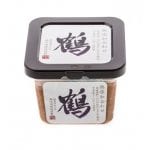
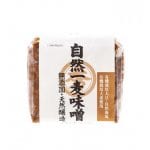
Miso is produced by fermenting soybeans with salt and koji and is a traditional Japanese seasoning. Rice, barley, or other ingredients are added to influence the flavouring. The result is a thick paste used for sauces and spreads, pickling vegetables or meats, and mixing with dashi soup stock to serve as miso soup.
The Wasabi Company has seven Miso varieties to choose from which come from the master craftsmen at Kantoya in Kyoto who have been producing exceptional miso since 1847.
The Wasabi Company miso range includes a more basic Barley Miso (500g)retailing for £7.95 right up to a Mugi, Barley Miso (700g) which retails for £25.00 having been fermented for over two years to build up intense aroma and flavour.
Soy Sauce
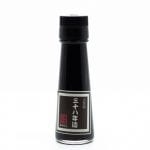
Soy Sauce is made from fermented soya beans and gives a salty umami flavour to food and comes in a wide variety of colours and textures from light to dark, and thick to light. To make Soy Sauce is a lengthy process that can take years: soya beans are cleaned and soaked, then steamed, mixed with a yeast culture and wheat flour before being fermented for a minimum of two years and then filtered and bottled.
Japanese Soy Sauce is distinctly different from Chinese soy sauce: Usukuchi is light and less salty than Chinese light soy sauce. Tamari is dark, thick, less salty yet still strong in flavour and Shoyu is aged for up to two years with a full flavour.
The Wasabi Company boasts 12 different soy sauces with the majority sourced from the Okada family who have been making soy sauce for 17 generations. The 250 year old process is still carefully overseen by members of the family and the production process is carried out in the old samurai house where the family began the business in 1753. The Wasabi Company can offer a 55ml bottle of 38 Year Aged Soy Sauce for £200 but also the more modestly priced, winner of two stars in the Great Taste Awards Wasabi Company Yuzu Soy Sauce (200ml) for £9.50.
Ponzu
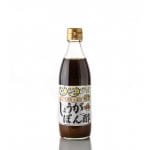
Ponzu is a citrus-based sauce commonly used in Japanese cuisine. Tart, thin and dark brown it delivers a distinctive umami flavour. ‘Pon’ in Japanese means ‘punch’ and ‘su’ is vinegar so the name literally translates as ‘vinegar punch.’ Ponzu is made by simmering mirin, rice vinegar, katsuobushi flakes (tuna) and seaweed. Once cooled and strained the juice of either yuzu, sudachi, daidai, kabuso or lemon is added. Ponzu is used as a dressing for salad, grilled meat and fish, or a dip sushi and sashimi. It also works very well as a marinade for fish, steak and ribs. Chefs from The Fat Duck, Sat Bains and Mark Hix use The Wasabi Company’s ponzus and vinegars on their menus in a variety of ways: marinades, dips, dressings and sauces.
Join the pros and deliver the authentic flavour of Japanese cuisine to your dishes; choose from the seven on offer including a Ginger Ponzu at £11.00 with a bright and zingy flavour that will enhance beef tataki, raw or grilled fish, raw vegetable salads, scallop carpaccio, veal and beef. Alternatively, try the award winning Wasabi Company Sudachi Kombu Ponzu. At just £9 and with three Great Taste Awards stars it’s an unbelievable bargain and suitable for vegans to boot!
Sake
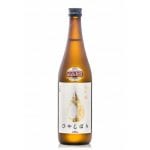
The best way to round off a Japanese meal is with a glass of sake. Sake is classified in several ways including the rice and yeast that are used and the geographical provenance. The defining classification, however, results from how ‘polished’ or milled the rice grains are that have been used to make the sake and whether or not a small amount of brewer’s alcohol (distilled alcohol) has been added to heighten the flavour and fragrance characteristics.
The range sold by The Wasabi Company has been carefully selected from five of the finest brewers in Japan who between them boast well over 1000 years of sake production. Prices start from around £15 per bottle up to roughly £69, so there is something for every budget and every taste. Just two examples are:
Konishi Gold – Daiginjo (720ml) £28.00 – Winner of the Grand Gold Medal (2014) and Gold Medal (2015 & 2019) at the Fine Sake Awards. Light-bodied, clean, elegant and simple with low acidity and delicate citrus, cucumber & pear flavours, Konoshi Gold is loved by wine lovers and goes perfectly with cream cheese, lamb, fish, grilled meats & steak.
Or
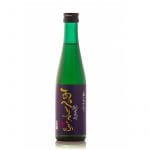
Aperitif – Junmai Daiginjo Koshu (300ml) £15.00 – for the perfect pre-meal drink, try this sake. Dark amber in colour and with a deep, rich aroma with notes of walnuts, spices, mushroom and malt, Aperitif is subtly sweet, and the rich toffee, barley and nutty flavours are complex and layered. Reminiscent of slightly sweet sherry, Aperitif can also be served as a dessert wine paired with cheesecake, crumble or cheese – or simply as a delicious after-dinner treat.
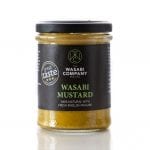
For those not up for the full Japanese experience, however, The Wasabi Company has developed a range of condiments which add just the perfect hint of Japan to your meal. Made with their own grown fresh wasabi or with citrus speciality yuzu, the Wasabi Company boasts a Wasabi Mayonnaise, Wasabi Mustard, Wasabi Powder, Wasabi Organic Soy Sauce, Yuzu Mayonnaise, Yuzu Mustard, and Yuzu Soy Sauce to name just a few. So, this summer as the world turns its collective eyes East, take the chance to embrace a Japanese influence on your food and enjoy the Olympics while slurping on noodles, supping on miso, sipping on a sake or grating an eyewatering wasabi grown in the West!
All the products mentioned (and many more) are available to buy from thewasabicompany.co.uk. Some of The Wasabi Company condiments are also on sale from Ocado.