Dorset and Barcelona may be separated by hundreds of nautical miles – and an entire language, but these two coastal regions share more than you might expect. Both are shaped by fishing traditions, seaside communities, and a deep respect for what comes fresh from the sea.
From Dorset’s harbours and fish markets to Barcelona’s bustling tapas bars and Mediterranean shoreline, food culture in both places remains tightly bound to the rhythms of the coast. Looking at them side by side reveals not only their differences, but also the traditions and values they continue to share.
A Shared Coastal Food Culture
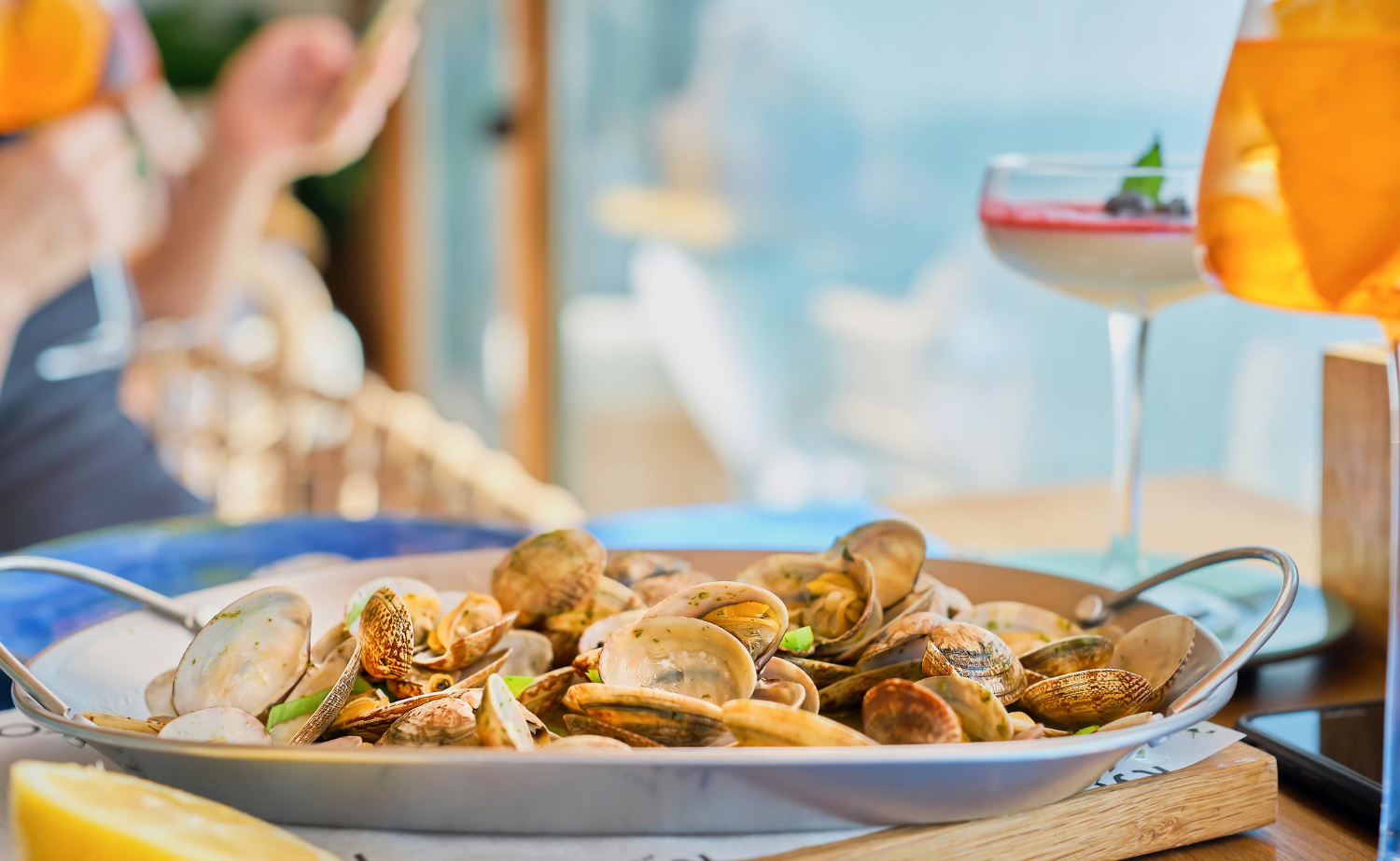
One of the joys of eating in Dorset is knowing that the seafood on your plate may well have been landed just hours earlier from the waters in front of you. Barcelona offers much the same experience. Across the city, restaurants proudly serve fresh local seafood, often sourced daily from nearby ports and markets.
The way people gather around food, however, reflects each region’s own identity. In Barcelona, evenings are built around sharing. Tapas bars fill with locals enjoying small plates of anchovies, grilled squid and seafood dishes over wine and conversation — many rooted in historic fishing communities and dockside taverns.
Dorset’s food traditions feel heartier, shaped by cooler weather and life on the English Channel. Alongside freshly landed seafood, you’ll still find warming classics such as fish pie, chowders and traditional pub dishes that once sustained fishermen returning from long days at sea.
Yet despite their differences, both regions celebrate the same principles: freshness, simplicity and honest flavour.
Seasonal Seafood, Shaped by the Sea
The Mediterranean and the English Channel produce very different seasonal catches, but both Dorset and Barcelona build their food culture around what is available throughout the year.
In Barcelona, summer brings sardines, anchovies, squid, mussels, octopus and red prawns that define Catalan cuisine. Dorset’s warmer months bring sea bass, mackerel, lobster and oysters, while Portland crab remains one of the county’s most celebrated catches.
This is where Dorset’s producers really shine.
Dorset Shellfish are part of a new generation of local seafood suppliers championing the purity of the county’s waters — particularly known for high-quality oysters and mussels that appear on menus across the region.
In both places, freshness means cooking is often deliberately simple: grilled shellfish, lightly dressed fish, and seasonal plates that allow the catch to speak for itself.
Preserving Traditions: Smoked, Salted and Tinned Seafood
Long before seafood became a restaurant delicacy, preserving fish was simply a way of life.
Along the Dorset coast, smoking and pickling helped fishing communities make use of seasonal abundance and prepare for winter months.
Today, these traditions continue through artisanal producers such as the Sea Sisters, who are reimagining tinned fish using sustainably sourced British seafood. Their work bridges heritage and modern dining — proving that preserved fish can be both practical and beautifully crafted.
Barcelona’s preserving traditions lean more towards salted and cured seafood. Salt cod – bacallà — remains a cornerstone of Catalan cooking, reflecting centuries of trade with northern Europe. Anchovies and Conservas also continue to play a central role in everyday food culture.
Both regions demonstrate how preservation techniques became part of coastal identity — not just necessity, but tradition passed through generations and still evolving today.
Markets, Community and Coastal Stories
Fish markets remain central to coastal life in both Dorset and Barcelona – places where food, community and storytelling meet.
In Dorset, markets in towns such as Weymouth, Lyme Regis and Poole continue to connect local fishermen directly with communities and visitors. A key part of this living coastal food system is Weyfish, a Weymouth-based fish market and seafood business that helps bring freshly landed fish straight from local boats to customers and chefs.
Alongside this, Catch at The Old Fish Market continues that same tradition from its historic harbourside setting, celebrating locally landed seafood in a space that blends dining with the rhythm of the working port. It is a modern expression of a very old tradition: trust, traceability and pride in the daily catch.
Barcelona’s famous food markets, including La Boqueria and Mercabarna, offer a similarly vibrant experience where seafood is displayed, discussed and celebrated daily.
These markets are about far more than buying fish. They are spaces where knowledge is shared, from advice on preparing certain catches to conversations about changing seasons, tides and life at sea.
Increasingly, both Dorset and Barcelona are also embracing seafood street food culture, with freshly cooked catches served directly at markets and harboursides.
From Sea to Plate Across Two Coastal Cultures
Bustling fish markets and coastal food culture remains deeply connected to place, people and tradition. Despite geographical distance, both regions share a commitment to:
Fresh, local seafood
Respect for seasonal ingredients
Strong fishing communities
Sustainable coastal food systems
From sea to plate, Dorset and Barcelona seafood traditions continue to show how food can connect people to heritage, landscape and community — across borders and generations.
Protecting Coastal Heritage for the Future
Across both regions, there is growing recognition that coastal food traditions only survive when communities actively protect them.
In Dorset, many restaurants now celebrate the provenance of their seafood, naming the fishing boats and skippers responsible for the catch. Sustainable fishing practices and marine conservation initiatives are helping safeguard local waters and traditional livelihoods.
Barcelona’s seafood culture is evolving in similar ways, with chefs, markets and fishing communities placing increasing emphasis on sustainability, seasonality and supporting local producers.
By Sophia Rossi
Partnerships Manager at Eating Europe | The Barcelona Taste